By Spenser Remick
Tree care professionals work in environments where conditions can change quickly. Traffic patterns shift, weather changes and jobsites evolve throughout the day. Plus, equipment, personnel and material are often moving simultaneously.
That’s why the most productive jobsites aren’t necessarily the fastest-moving jobsites. They’re the ones that are prepared.
And many of the same practices that help crews identify hazards and maintain situational awareness also help eliminate the interruptions that slow work down. OSHA identifies hazard recognition as a critical part of an effective safety and health program, noting a Job Hazard Analysis can help identify hazards before the work begins.
When crews take the time to set up a safe jobsite, they also create conditions that help work go smoothly throughout the day. According to the Environmental Protection Agency’s lean thinking and methods “5S,” maintaining an orderly workplace helps reduce waste and optimize productivity because organization and orderliness support an efficient flow of work. On a tree care jobsite, that can mean fewer unnecessary movements, fewer interruptions and more focus on the task at hand.
The safest jobsites often begin with a few simple questions
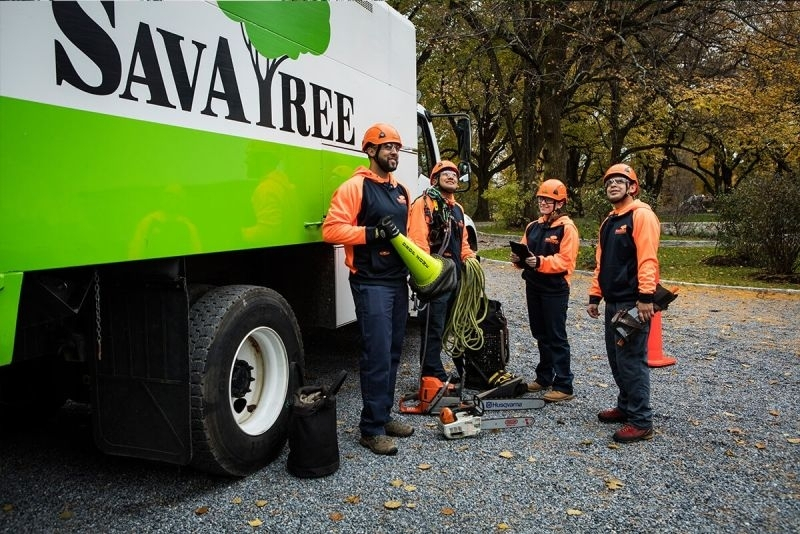
Every tree care job is different, but the most successful crews often begin with the same process: asking questions.
Whether you’re running a chipper, stump grinder or mini loader, it is important to gather the crew to understand the conditions they’ll be working in before any equipment is turned on.
Questions worth asking include:
- Where will equipment be positioned throughout the job?
- How will material move through the work area?
- How will crew members communicate if conditions change?
- Where are the designated drop zones?
- How will traffic and pedestrians be managed?
- Are there overhead power lines, underground utilities or unstable ground conditions to account for?
- Can any obstacles be moved out of the way?
Taking a few minutes to have a daily job briefing can establish a shared understanding and game plan to tackle the work ahead.
How a jobsite is organized impacts how safely work gets done
Many jobsite inefficiencies can be traced back to poor organization. Like a chip truck parked in the wrong location, a brush pile staged far from the chipper or equipment that needs repositioned multiple times throughout the day.
Individually, these issues may seem minor. Together, they can create unnecessary movement, distractions and additional exposure to hazards.
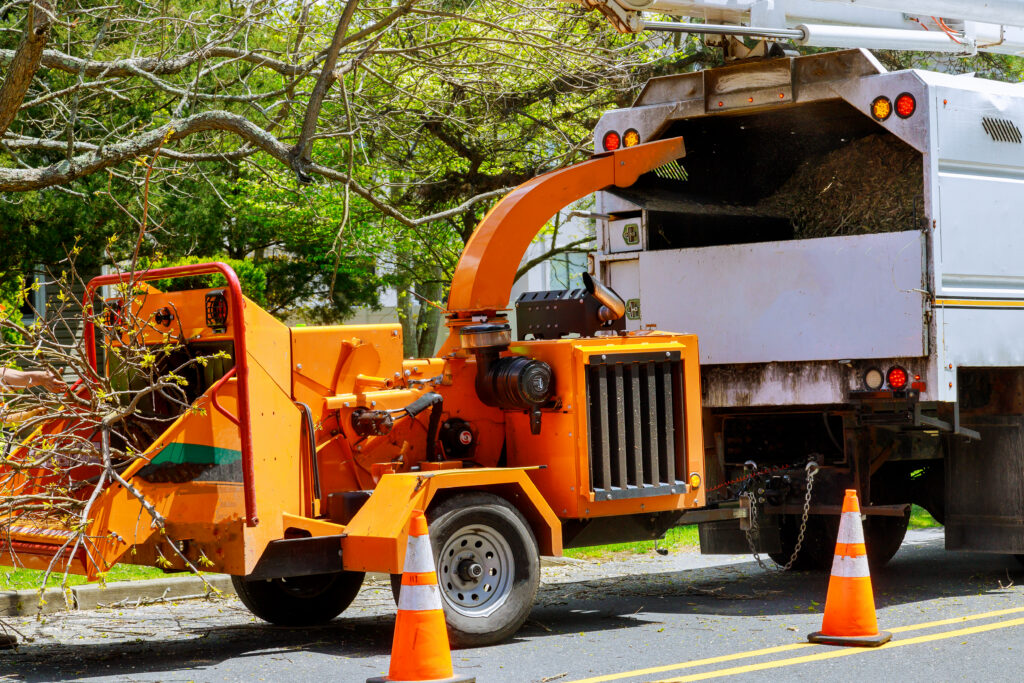
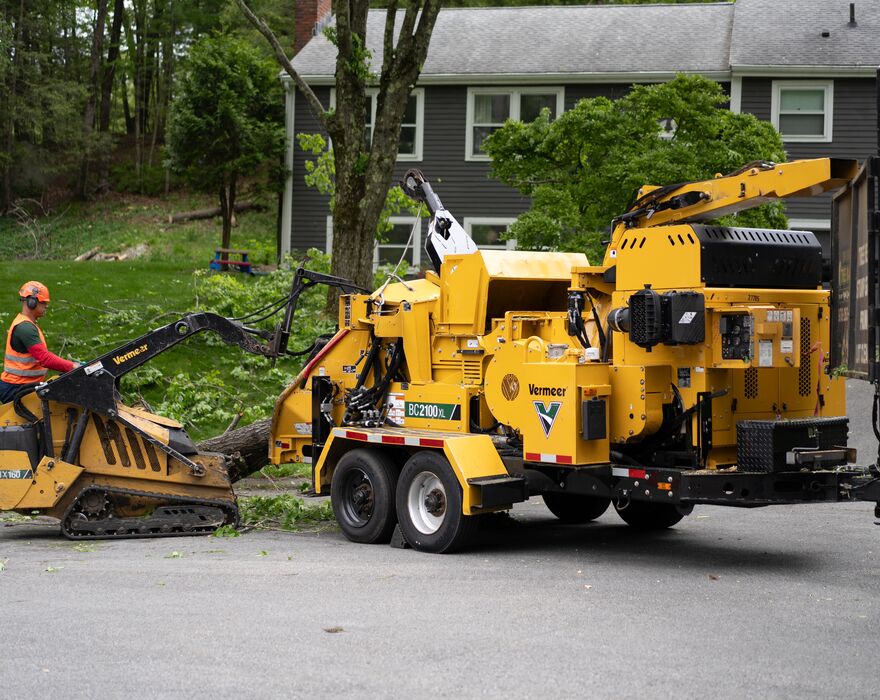
No matter the machine your crew is using, equipment placement and material flow impact both workflow and situational awareness.
Before equipment is positioned, crews should consider:
- What is the most efficient path for material to move through the site?
- Where can equipment operate without creating congestion?
- Are operators able to maintain adequate visibility?
- Can pedestrians, customers and crew members avoid active work zones?
ANSI Z133, the arboriculture industry’s safety standard, was developed to help tree care professionals identify hazards and establish safer work practices across a wide range of jobsite conditions. A well-organized worksite supports that objective by helping crews maintain awareness of people, equipment and changing conditions around them.
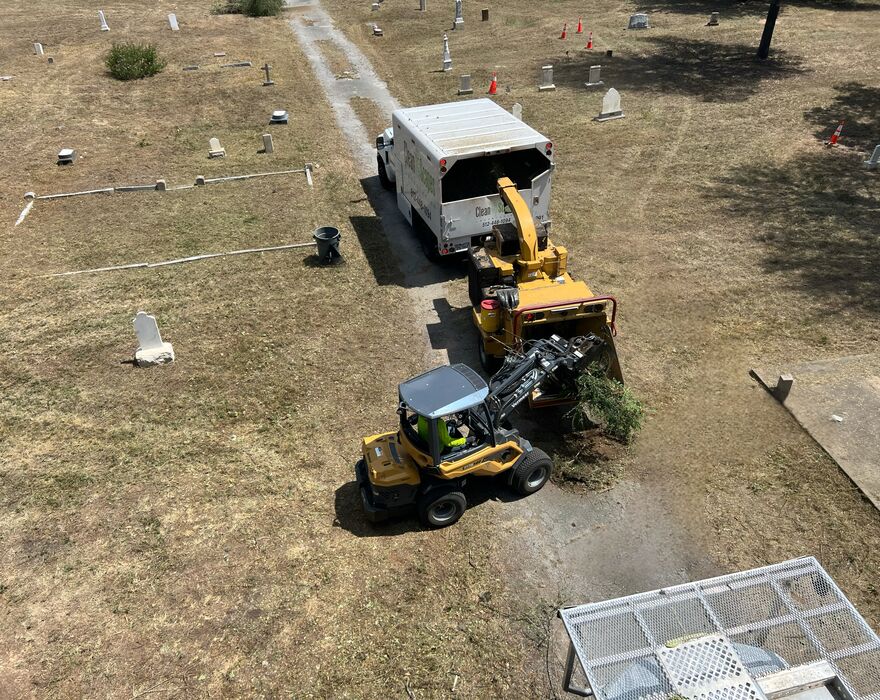 Situational awareness is one of the most valuable safety tools on any tree care jobsite. Yet awareness becomes more difficult to maintain when crews are working in cluttered areas with misplaced tools or unnecessary congestion.
Planning and maintaining an organized jobsite means crews spend less time locating equipment, navigating obstacles or adjusting to disorganization, and can give more attention to identifying hazards and performing their tasks.
The safest jobsites often look organized for a reason. Organization creates clarity. Clarity helps crews recognize hazards earlier and make better decisions throughout the workday.
Changing conditions demand clear communication
Even the best jobsite plan may need to change. Traffic could increase, ground conditions could limit access or a removal could require a different approach than originally planned.
When conditions change, communication becomes critical.
Before work begins, crews should understand:
- How hazards will be communicated
- What signals or communication methods will be used during active work
- How often the team needs to reassess challenges
OSHA identifies worker involvement and communication as important components of hazard identification and control. When everyone understands the plan, crews are often better prepared to adapt safely when unexpected situations arise.
Clear communication reduces confusion, but it also helps preserve focus at moments when attention matters most.
Jobsite readiness starts with equipment readiness
Equipment inspections are often viewed strictly as a safety requirement. In reality, they’re also part of job preparation.
Whether operating equipment that moves material or chip trees and brush, daily inspections help identify potential issues before work begins.
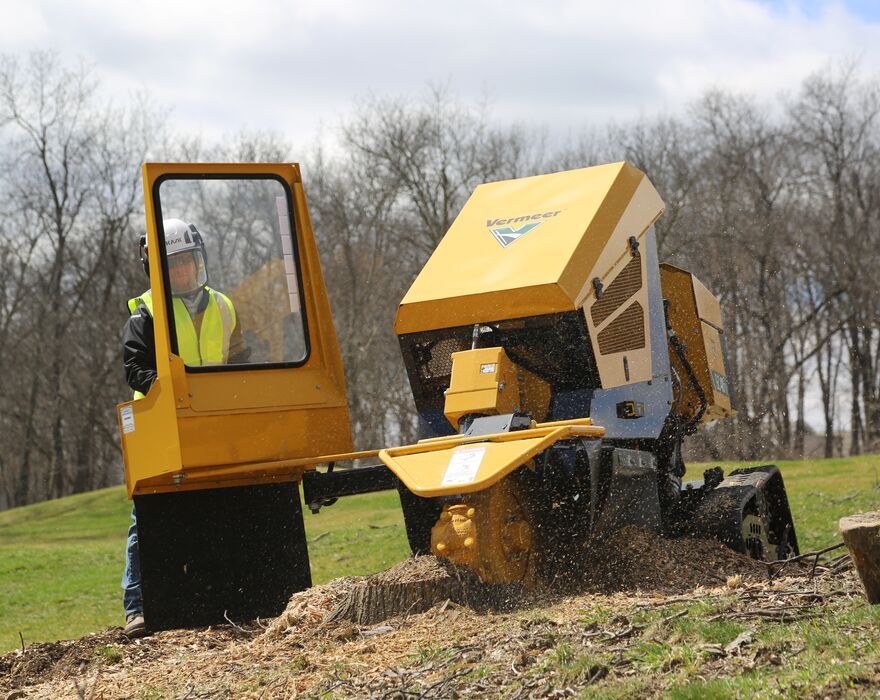 Questions should include:
- Are guards and safety devices functioning properly?
- Are fluid levels and wear components within specification?
- Are warning decals visible and legible?
- Has any damage occurred since the previous shift?
Just as crews take time to assess jobsite hazards before work begins, equipment deserves the same attention. Incorporating inspections into the daily routine can help uncover issues early, allowing crews time to address concerns internally or connect with their local equipment dealer before they affect the workday. This can support a safer operation, fewer interruptions and a more productive jobsite.
Safe jobsites don’t happen by accident
The safest jobsites are rarely the result of a single initiative. They are the product of consistent habits that shape how crews approach every job.
For companies looking to strengthen both safety and operational performance, the best place to start may be the beginning of the day. By continuously refining pre-job planning, jobsite setup and communication practices, organizations can create more opportunities to identify hazards before they become problems, improve crew awareness and reduce inefficiencies that slow work down.
Because when a jobsite is organized, hazards are clearly communicated and crews are prepared from the start, safer operations and productivity often follow.
Spenser Remick is a sales manager for the tree care market at Vermeer Corporation, where he works with tree care professionals across North America to evaluate jobsite challenges, improve operational efficiency and support safe work practices.

This blog post was provided by Vermeer Corporation, a corporate member and TCIA gold sponsor.
Build a Culture of Safety: TCIA helps tree care companies build a strong safety culture, reduce risks, and protect their workforce through safety courses in the Tree Care Academy, certifications like the Certified Treecare Safety Professional (CTSP) and other resources to create a culture of safety and a safer industry for all. Explore safety resources and certifications
If you’re a TCIA member, you can access all your tools and resources here. Not a member, click here to learn ways TCIA can help advance your tree care business.