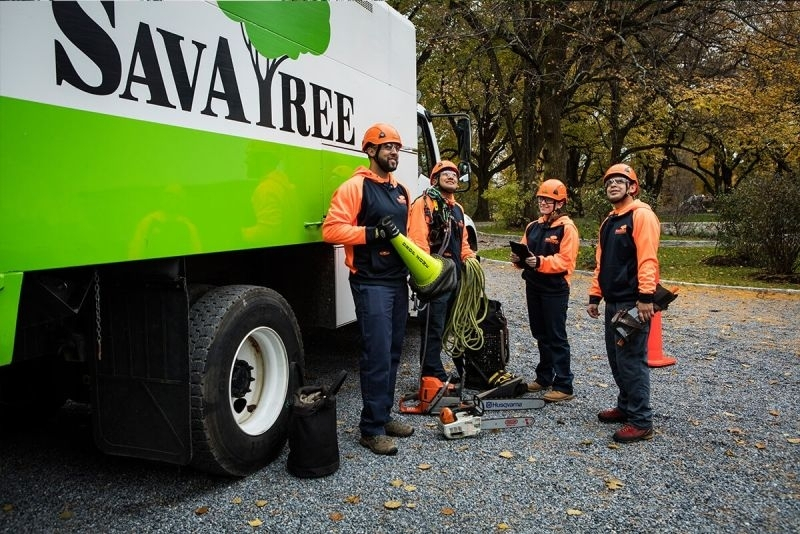
SavATree operates in more than 40 states and was one of the first companies in the U.S. to earn multi-state TCIA Accreditation. Getting there meant answering a hard question: how do you build one safety culture across dozens of climates, crews, and regional teams without diluting the standard?
As one of the first companies in the U.S. to receive multi-state TCIA Accreditation, SavATree has spent years refining its approach to safety. While the organization’s scale may be unique, many of the lessons learned apply to companies of any size.
Safety Starts with Culture
A strong safety program is built on manuals, procedures, and regulations, but it also requires a culture in which employees understand that safety is part of every decision they make.
Creating that culture begins with leadership. When managers, supervisors, and crew leaders reinforce safety expectations, everyone else follows their lead. Daily tailgate meetings, job hazard assessments, ongoing training, and open communication all contribute to a workplace where safety remains top of mind.
Equally important is creating an environment where employees feel comfortable speaking up. Encouraging team members to identify hazards, report near misses, and share lessons learned helps organizations continuously improve while reinforcing personal ownership of safety outcomes.
Creating Consistency at Scale
One of the greatest challenges for multi-location organizations is maintaining consistency. Conditions in California may look very different from those in New England, the Southeast, or the Midwest, but the expectation for safe work practices remains the same.
Standardized operating procedures, training programs, and communication channels help establish a common framework across all locations. At the same time, successful organizations recognize the importance of empowering local teams to adapt to regional conditions while maintaining companywide standards.
This balance between consistency and flexibility allows SavATree to uphold safety expectations regardless of geography, weather patterns, or operational differences.
The Role of TCIA Accreditation
TCIA Accreditation provides a framework that helps organizations evaluate and strengthen their safety, training, and operational practices. For SavATree, TCIA Accreditation has served as a benchmark and a trigger for continuous improvement.
The Accreditation process encourages organizations to document procedures, establish accountability, and regularly evaluate performance. These practices help ensure that safety remains integrated into daily operations.
Accreditation also demonstrates a commitment to industry best practices and provides customers, employees, and stakeholders with confidence that safety and professionalism are organizational priorities.
Maintaining ANSI A300 Standards
Industry standards such as ANSI A300 standards provide important guidance for professional tree care operations. Maintaining compliance across a large organization requires ongoing education, quality assurance, and field reinforcement.
Training cannot be viewed as a one-time event. As standards evolve and new techniques emerge, organizations must continually invest in employee development. Regular reviews, field observations, and coaching opportunities help bridge the gap between classroom instruction and real-world application.
By integrating ANSI standards into everyday workflows, organizations can create consistency while improving the quality and safety of their work.
Lessons for Companies of Any Size
While not every company operates across multiple states, every tree care business can benefit from a culture-first approach to safety.
Several practices consistently deliver value regardless of company size:
- Start every day with a safety discussion
- Encourage reporting of hazards and near misses
- Provide ongoing training and professional development
- Establish clear expectations and accountability
- Regularly review procedures and identify opportunities for improvement
Building a safety culture is the result of thousands of daily decisions reinforced by leadership, supported by systems, and embraced by employees.
Organizations that prioritize safety culture alongside operational excellence will be better positioned to protect their employees, serve their customers, and strengthen the profession as a whole.

This blog post was provided by SavATree, a corporate member and TCIA gold sponsor.
Build a Culture of Safety: TCIA helps tree care companies build a strong safety culture, reduce risks, and protect their workforce through safety courses in the Tree Care Academy, certifications like the Certified Treecare Safety Professional (CTSP) and other resources to create a culture of safety and a safer industry for all.